
Italian Style Rules That Actually Matter (and the Ones You Can Ignore)
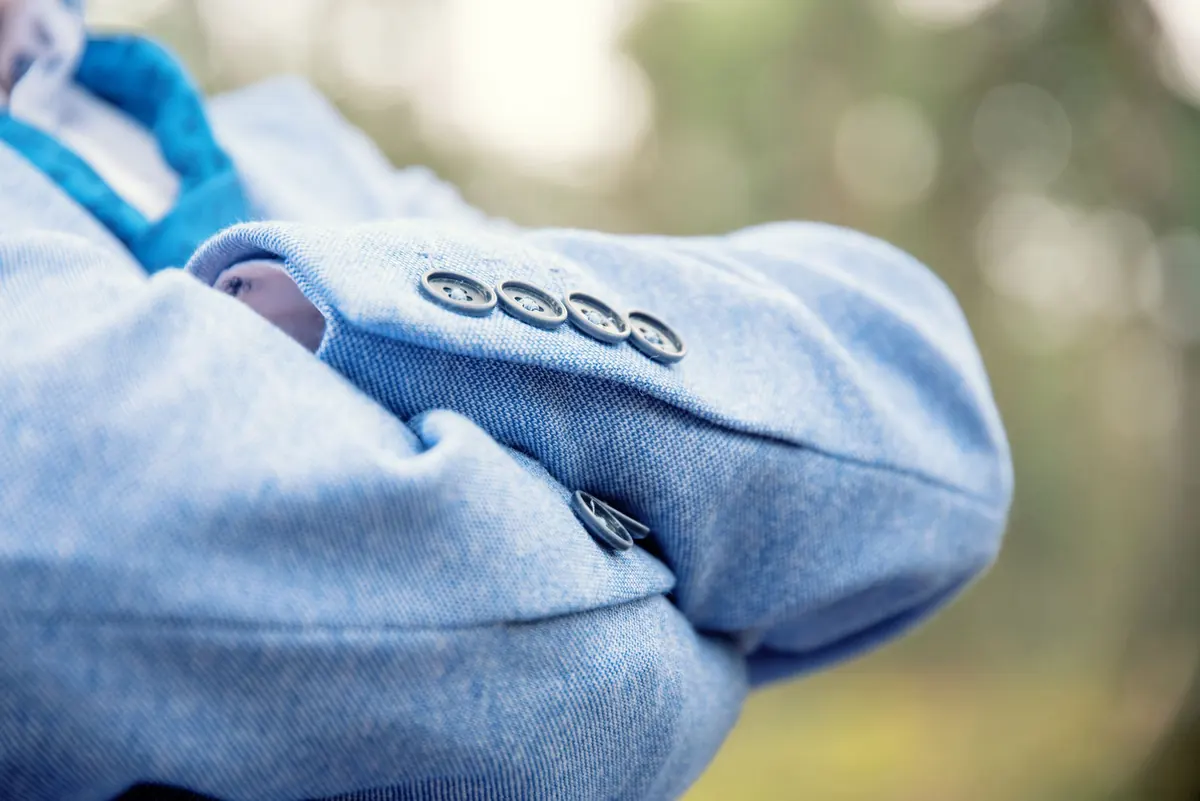
Walk through the centre of any Italian city at eight in the morning and you will see something that looks less like fashion and more like a habit. Men in their sixties on their way to buy bread, wearing a jacket that has clearly been worn a thousand times and trousers that end exactly where they should. Students waiting for a bus in a coat that costs less than their phone but sits on the shoulders properly. Nobody appears to have tried very hard. That is the point, and it is also the part most visitors miss when they pack a linen shirt and assume the rest will follow.
Italian style is not a costume, and it is rarely about buying more. It is a set of small decisions — where a hem falls, how many colours are in play, whether the shoes look cared for — repeated until they become automatic. Below are the principles that reliably separate a well-dressed person from a well-intentioned one, followed by the famous rules you can quietly ignore.
Fit Comes Before Everything Else
Ask an Italian tailor what is wrong with a jacket and they will rarely mention the fabric first. They will pinch the shoulder, look at the sleeve, and tell you it is too big. Fit is the one thing that cannot be fixed by spending more; a modest shirt that sits correctly on the shoulder beats an expensive one that doesn't, every time.
The checkpoints are few and unglamorous:
- Shoulders. The seam should end at the edge of your shoulder bone, not hang past it. This is the one alteration that is genuinely difficult to make later.
- Sleeves. On a jacket, a centimetre or so of shirt cuff should show when your arms are down. On a shirt worn alone, the sleeve should stop at the wrist bone.
- Trousers. A slight break at the shoe, or none at all. A pool of fabric around the ankle makes even good trousers look borrowed.
- Button strain. If a jacket pulls into an X shape when fastened, it is the wrong size, not a reason to leave it open forever.
A competent alterations tailor can shorten a hem, take in a waist and slim a sleeve for far less than the cost of replacing the garment. Treat that as part of the purchase, not an afterthought.
Own Less and Wear It More
The recurring fantasy of Italian style is a wardrobe the size of a telephone booth, worn on rotation until the pieces feel like a second skin. Walk past the same barber every day and you will see the same man in the same navy jacket. Nobody is bored, because the jacket is good and it fits.
Repetition is not a failure of imagination; it is the whole system. Build around a handful of things you genuinely like — a jacket, two pairs of trousers, three shirts, one pair of decent shoes — and let the rest of the wardrobe support them. The practical test is simple: if a new item doesn't go with at least three things you already own, it will spend its life on a hanger.
Keep the Colours Quiet, Then Take One Risk
Italian dressing is often mistaken for something louder than it is. Look closely at the men who get it right and you will usually find two or three muted colours doing all the work — navy, grey, stone, brown, ecru, a soft olive — with one deliberate exception.
The reliable pairings are worth memorising: navy with brown leather, grey with white and black, olive with cream, charcoal with burgundy. Then choose a single point of interest — a scarf, a knitted tie, a pair of suede shoes in a colour that makes people look twice — and let everything else stay quiet. Two loud elements start arguing. Three and it looks like a costume.
On patterns
Stripes and checks are fine. The mistake is scale. A large check on a jacket paired with a large stripe on a shirt creates visual noise; a fine stripe against a large check reads as considered. When in doubt, keep the pattern small and the palette narrower still.
The Shoes Decide the Verdict
Italians notice footwear before almost anything else, and the judgement is usually about care rather than cost. Scuffed toes, a collapsed heel, a sole worn through at the edge — these undo a good jacket in seconds. A ten-year-old pair of leather shoes that has been polished and resoled looks better than something bought last month and neglected.
Practical rules that hold up:
- Leather shoes need shoe trees, and they need to rest a day between wearings.
- Laces are cheap. Replace them when they fray rather than waiting for them to snap.
- Chunky trainers with tailoring need real commitment and a very good outfit around them. Otherwise, keep the two worlds apart.
- Socks are part of the outfit, not a hidden detail. If the ankle shows, make sure it does so on purpose.
Dress for the Fabric, Not the Forecast
A common foreign habit is dressing for the temperature reading alone: too many layers in mild weather, too little structure when it is cold. Italian wardrobes tend to be organised by season and fabric instead. Linen and cotton in July, light wool in September, heavier wool and a real coat from November. The coat, in fact, is often the entire outfit in winter — a good one in navy or camel makes the sweater underneath almost irrelevant.
This matters because fabric behaves differently from insulation. A lightweight wool jacket keeps its shape and breathes in a way that a padded jacket does not, and it will look appropriate whether you end up in a heated shop or a cold street.
The Rules You Can Ignore
Plenty of supposed Italian rules are imported, invented, or simply no longer true. These are the ones to release yourself from.
- "Italians never wear shorts." They do, constantly, in summer — usually tailored, usually cotton, usually with a proper shoe rather than a flip-flop.
- "Never mix navy and black." A useful beginner's guardrail, not a law. A navy jacket over black trousers works when the textures differ.
- "You need a bespoke suit." You need a suit that fits. Off-the-rack plus alterations gets most people there.
- "Never wear white after summer." That is an American convention with no particular hold here. Winter whites exist and look good.
- "Always wear an undershirt." Wear one if it keeps the shirt fresh. Skip it if it shows above the collar.
- "Prints are vulgar." Bad prints are vulgar. A well-drawn small print on a shirt or a scarf has never ruined anyone.
What you should keep from the whole tradition is the underlying attitude: attention without effort, restraint without dullness, and a clear sense that the person chose this rather than defaulted to it.
A Two-Minute Check Before You Leave
Run this in the hallway mirror and most problems solve themselves.
- Look at the shoulders first, then the hem. Straighten what has drifted.
- Take one thing off. The extra accessory is almost always the one you don't need.
- Check your shoes from a metre away, which is roughly how other people see them.
- Ask whether you could wear this to two different places without changing. If yes, good.
- Fasten the jacket, sit down, and see whether it still behaves. If not, back to the tailor.
None of this requires a particular budget or a designer's eye. It requires a mirror, a tailor you trust, and the willingness to wear the same good jacket for a decade.
Photo: Robin Godefridi / Pexels