
A First-Timer's Checklist for Taking the Train Through Italy
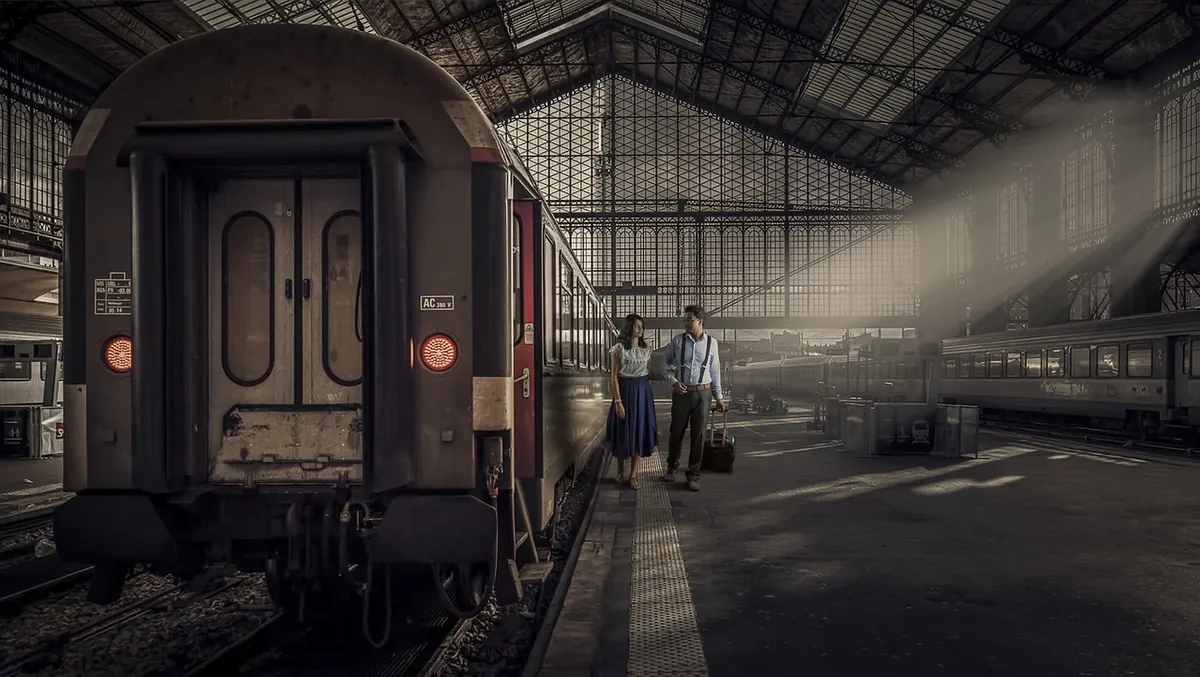
The first train you take in Italy will teach you more than any timetable. You’ll learn that a platform number can change at the last minute, that a paper ticket needs a small stamp before you board, and that the difference between Roma Termini and Roma Tiburtina matters more than you thought when you booked. None of this is complicated. It is simply local. A little preparation turns a stressful morning into one of the easiest parts of your trip.
Here is the checklist I would give a friend before their first Italian rail journey—tickets, validation, luggage, station habits, and the small moves that make the day go smoothly.
Start With the Right Ticket
Italy’s rail network has two broad kinds of train, and they behave differently. High-speed trains—Trenitalia’s Frecciarossa and Frecciargento services, and Italo’s trains—come with a reserved seat and a specific departure. Regional trains, usually marked Regionale or Regionale Veloce, are the workhorses: slower, cheaper, and often more flexible. Knowing which one you have bought changes how you plan your day.
That distinction is not academic. A high-speed train can turn Rome to Florence into a 90-minute ride, while a regional train on a similar route may stop in towns you have never heard of and take twice as long. Neither choice is wrong; they simply answer different questions. Are you buying speed, or are you buying flexibility and a lower fare?
Reserved trains reward planning
On a high-speed train, your ticket is tied to that train. If you miss it, you generally cannot simply hop on the next one without changing your ticket, and the fare rules may make that expensive. Arrive with time to spare, especially at big stations. Check the departure station carefully: Roma Termini and Roma Tiburtina are not interchangeable, and neither are Venezia Santa Lucia and Venezia Mestre. The same goes for Milan’s Centrale and Porta Garibaldi.
Read the station name twice before you pay, then check the train number and departure time. Arrive 20 to 30 minutes early at major stations, and 10 to 15 minutes early at smaller ones. Keep your ticket easy to reach, whether it is printed or on your phone, and download the digital version before you leave the hotel. A ticket that lives in an app is only useful if your phone has battery.
Regional trains reward flexibility
Regional tickets are usually more forgiving about which train you take, but they come with their own ritual: validation. If you buy a paper ticket, stamp it in the machine before boarding. If you buy digital, follow the instructions in the app—some regional tickets need activation, while reserved high-speed tickets usually do not. When in doubt, ask. Regional trains can also be crowded at commuter hours, and because seats are not reserved, boarding early gives you a better chance of sitting down with your bag beside you.
Before you pay, run through this quick check:
- Are the station names exactly what you need, not just the city?
- Is the date and departure time correct, especially around midnight?
- Does the ticket require a passenger name or ID?
- What are the change and refund conditions?
- Is it paper or digital, and do you have a charger?
- Do you know the train number, not just the destination?
Validate Before You Board
Validation is the detail first-timers miss. On many regional journeys, a paper ticket is not valid until it has been stamped in one of the small machines on the platform. The stamp records the date and time. Board with an unstamped ticket and you may be treated as travelling without a valid ticket, even if you paid for it. The fine is not a nice souvenir.
Digital tickets are different. You do not stamp a QR code in a machine. Instead, open the app, check whether the ticket needs activation, and keep the screen ready for the conductor. If the validation machine is broken, do not guess. Find a staff member and ask before you board. If no one is available, make a note of the time and station and seek advice at the first opportunity. A quick question on the platform is always cheaper than an argument on the train.
Treat validation as part of boarding, not an optional extra. It takes ten seconds and removes a whole category of problems.
Pack Luggage You Can Handle
Italian trains are not moving hotels. High-speed trains have overhead racks and end-of-carriage luggage areas, but those spaces fill quickly, especially on popular morning services. Regional trains have less room, narrower aisles, and more stops. A bag you can lift above your head and carry up a station staircase will do more for your trip than an extra pair of shoes.
Remember the station itself: many Italian stations have stairs, underpasses, and platforms reached by lifts that may be small or out of service. Cobblestones outside are not kind to giant wheeled suitcases. If you are moving between cities every day, a backpack or a compact carry-on is often easier than a large hard-shell case. Keep valuables with you, label your bag, and do not leave it unattended. If you need to stow a large bag at the end of the carriage, check it at each stop or sit near enough to keep an eye on it.
- Choose a bag you can lift onto a rack by yourself.
- Keep tickets, ID, phone, and charger in one small bag.
- Pack a light layer, since air conditioning can be strong.
- Leave a little space for food and water.
Station Habits That Save Time
Italian stations are busy, practical places, and the information you need is usually spread across several places: the departures board, the platform screen, the train itself, and your app. The trick is not to memorize everything but to know which source to trust at which moment. Use the app to confirm your train number and departure time, then use the station board to find the platform. At big stations like Roma Termini or Milano Centrale, the platform may not be posted until 10 or 15 minutes before departure, so do not panic if you see a blank space.
When the platform appears, go there and check the screen again. Platform changes happen, especially on busy days. Listen for the train number and destination, not just the city. A train to “Venezia” might be the right direction but the wrong service, and a train to “Firenze” might leave from a different platform than the one in your app. If you hear an announcement in Italian and do not understand it, compare the board with your ticket and ask a staff member or a fellow passenger. “Is this the train to Florence?” is a perfectly good question in English, and most station staff are used to it.
Know the words that matter
You do not need to speak Italian to navigate the station, but a few words help. Binario means platform. Ritardo means delay. In arrivo can mean arriving, while in partenza means departing. The train number is usually shown next to the destination, and it is the most reliable way to confirm you are in the right place. Keep your ticket or phone ready at the barrier and on board, and do not wait until the conductor is standing beside you to search for it.
On Board and at Arrival
On a reserved train, check your carriage number before you board. High-speed trains often have several carriages, and boarding at the wrong end means dragging your bag down a narrow aisle while everyone else is settling in. On regional trains, seating is usually open, so board early if you want a seat and keep your bag close. Once underway, keep your ticket accessible, use headphones, and be ready for a quick ticket check. The conductor may not pass through every carriage, but that does not mean your ticket is not checked.
As you approach your stop, start gathering your things a few minutes early. Italian trains do not always give long warnings, and stops can be brief. Check the station name on the platform sign as you arrive, especially when several stations in the same city sound similar. If you are continuing by local transport, give yourself a buffer. A first journey is not the time to book a tight connection to a flight or a tour. Ten extra minutes at the station are cheap; a missed connection is not.
Photo: 3935302 / Pixabay