
Common Mistakes to Avoid When Ordering Coffee in Italy
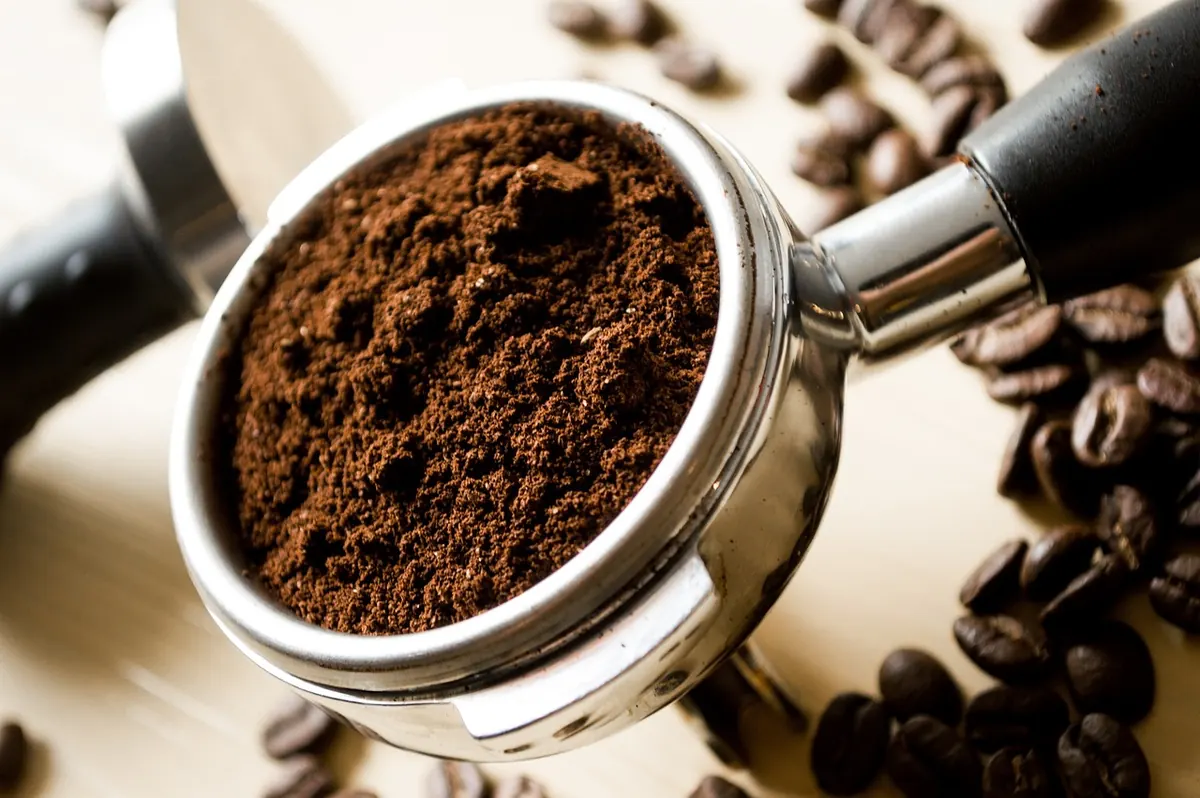
Italians treat coffee as a fixed point in the day rather than an event. A bar — which is what they call the place, whether it sells wine or not — is often a room the size of a living room with a marble counter, one hissing machine, and a barista who has pulled more espressos than you have had hot dinners. The customs around that counter are simple, but they are customs. Nobody hands you a manual, and nobody corrects you out loud. You just get a slightly puzzled look and, now and then, something in a cup you didn't expect.
The good news is that most of these customs are practical. They are about speed, price, and the rhythm of the day rather than etiquette for its own sake. Learn a few words, watch what the person ahead of you does, and the bar stops being a test and becomes one of the most pleasant places to spend five minutes in Italy.
Standing at the bar is the default
In most Italian bars, coffee is a thirty-second transaction conducted on your feet. You order at the counter, drink it there, and leave. That isn't rudeness; it's the shape of the place. Seats are for people lingering over a pastry or a plate of pasta, and many bars price accordingly.
Two prices are normal: one for a coffee taken at the bar, one for the same coffee carried to a table. The difference pays for the waiter, the tray and the square metre of pavement you're occupying. Sit on a piazza and watch the morning go by — just expect the bill to reflect it, and read the list by the door if you'd rather not be surprised. In Venice and other heavily visited cities, the gap can be startling; in a small neighbourhood bar, it may be only a few coins. Either way, it is not a scam. It is table service.
One more thing: don't hover near the entrance waiting to be seated. Go to the counter, catch the barista's eye, and order when they look up. There's no formal queue, only a loose understanding of who arrived first. If the bar is busy, stand where you can be seen without leaning over someone's cornetto. When the barista glances your way, that is your moment: Un caffè, per favore.
If you are unsure whether to pay first or order first, ask. Si paga prima o dopo? — do I pay before or after? — is a perfectly normal question, and it saves you from the small dance of being sent from the counter to the cassa and back again.
Order "un caffè," not "an espresso"
The default drink is simply caffè. Ask for "un caffè, per favore" and you'll get a single espresso in a small, thick-walled cup, hot enough to sting if you're careless. Asking for "an espresso" is understood everywhere, but it marks you as someone reading from a list. Nobody minds. It's just unnecessary.
Learn a handful of words and the bar becomes yours:
- Caffè — the standard espresso. If you simply want "a coffee," this is it.
- Ristretto — less water, shorter shot, more concentrated.
- Lungo (or allungato) — more water through the same coffee; lighter and longer.
- Macchiato — "stained" with a drop of milk. Say caldo for steamed foam, freddo for cold milk.
- Corretto — corrected with a splash of grappa or sambuca. A cold-morning order, not a lunchtime one.
- Decaffeinato, often shortened to un deca — decaf, made without fuss.
- Caffè freddo or shakerato — summer answers: cold sweetened espresso, or espresso shaken hard with ice until it foams.
Mind the trap: latte means milk. Order "un latte" and you'll get a glass of milk, possibly with a sympathetic smile. What you want is a caffellatte, or a cappuccino. A caffellatte is usually milk with coffee added, often served in a glass at breakfast; a cappuccino is espresso topped with steamed milk and foam. A latte macchiato is mostly milk "stained" with coffee, and it is a different drink again — milky, mild, and usually a breakfast order.
Two more useful phrases: un caffè doppio gets you a double espresso, and un caffè in vetro means served in a glass rather than a ceramic cup. Neither is exotic. They are just ways of being precise.
The cappuccino hour
This is the rule that causes the most anxiety. The Italian habit is to drink milk-based coffee in the morning, usually with breakfast, then switch to straight espresso later in the day. Broadly speaking, the cappuccino window closes around eleven.
It isn't a law, and no barista will refuse you. Order one at four in the afternoon and you'll get a good cappuccino and a look that lasts half a second. The reasoning is practical rather than moral: a cup of hot milk is filling, and it sits heavily after a plate of pasta. Three ways to handle it: drink your cappuccino at breakfast, standing at the bar with a cornetto; order un caffè or a macchiato after lunch if you still want a trace of milk; or order the cappuccino anyway at five o'clock and enjoy it. Plenty of Italians do, and the world continues.
The rule also loosens with context. In summer, a caffè freddo or a shakerato can replace the afternoon espresso without anyone blinking. In the north, milk at lunch may raise fewer eyebrows than in Naples, where the morning-only cappuccino habit is especially strong. And if you are sitting down for a long breakfast in a tourist square, the cappuccino is exactly where it belongs.
Paying: cassa, scontrino, and the right amount of patience
Payment systems vary from bar to bar, and getting it wrong is the most common source of quiet confusion. Some places want you to pay first at the cassa — the cash desk, often near the door or at one end of the counter. You pay, take the receipt, and then hand the receipt to the barista or set it on the counter before ordering. Other bars expect you to order at the bar and pay when you leave, especially if you are standing. Watch what locals do, or ask before you commit.
The receipt, or scontrino, is not a formality to be crumpled into a pocket and forgotten. Keep it until you have your coffee and have left the bar. In some places the barista will want to see it; in others, nobody checks, but having it ready avoids a conversation. If you sit at a table, the waiter will usually bring the bill, and you may pay at the table or at the cassa depending on the house style.
Cards are widely accepted now, but small neighbourhood bars may still prefer cash for a one-euro coffee. It is reasonable to ask, Posso pagare con la carta? Tipping is not expected in the way it is in some countries. If you have table service, rounding up or leaving a small coin is enough; for a coffee at the bar, nothing is required. And try not to wave money or call across the room. Catch the barista's eye, wait your turn, and the transaction stays as calm as the coffee.
Milk, sugar, and the small requests
Sugar is usually offered rather than assumed. The barista may ask zucchero? as they set the cup down, and you can answer senza zucchero for none, or simply nod. If you take it yourself, use the small packets or the sugar bowl on the counter. Asking for amaro in the context of coffee can mean unsweetened, though it is clearer to say senza zucchero. Do not be surprised if the barista adds a tiny spoon and a glass of water without being asked; in many bars, that is simply part of the service.
Milk alternatives exist, but they are not universal. You can ask for latte di soia, latte di mandorla, or latte d'avena — soy, almond, or oat milk — though a small bar may not have any, and some places charge a little extra. A cappuccino with a dusting of cocoa is a cappuccino con cacao. A marocchino is a small glass of espresso with cocoa and milk foam, and in Turin a bicerin is a layered glass of coffee, chocolate, and milk. These are not secret codes; they are just local drinks, and ordering one is a good way to feel less like a visitor.
Local words and a few useful habits
Regional vocabulary is part of the pleasure. In Naples you may see caffè sospeso on a menu or a handwritten sign: a "suspended coffee," paid for in advance by one customer for someone who cannot afford one. In Trieste, a capo in b is a small cappuccino in a glass, and a nero is an espresso. In Rome, the marocchino is a familiar morning order. None of this is required knowledge, but noticing it turns the bar into a place with a local accent rather than a generic counter.
Takeaway is possible, but it is not the default. If you need coffee da portare via, ask; many bars will put it in a small paper or plastic cup, though the sit-down, stand-up ritual is the point. And if you want to sound like a regular, keep your order short, drink it at the counter, and leave the cup where the barista can reach it. The best bar is not the one with the longest menu. It is the one where, after two mornings, the barista starts your caffè before you finish saying it.
Photo: eliasfalla / Pixabay